

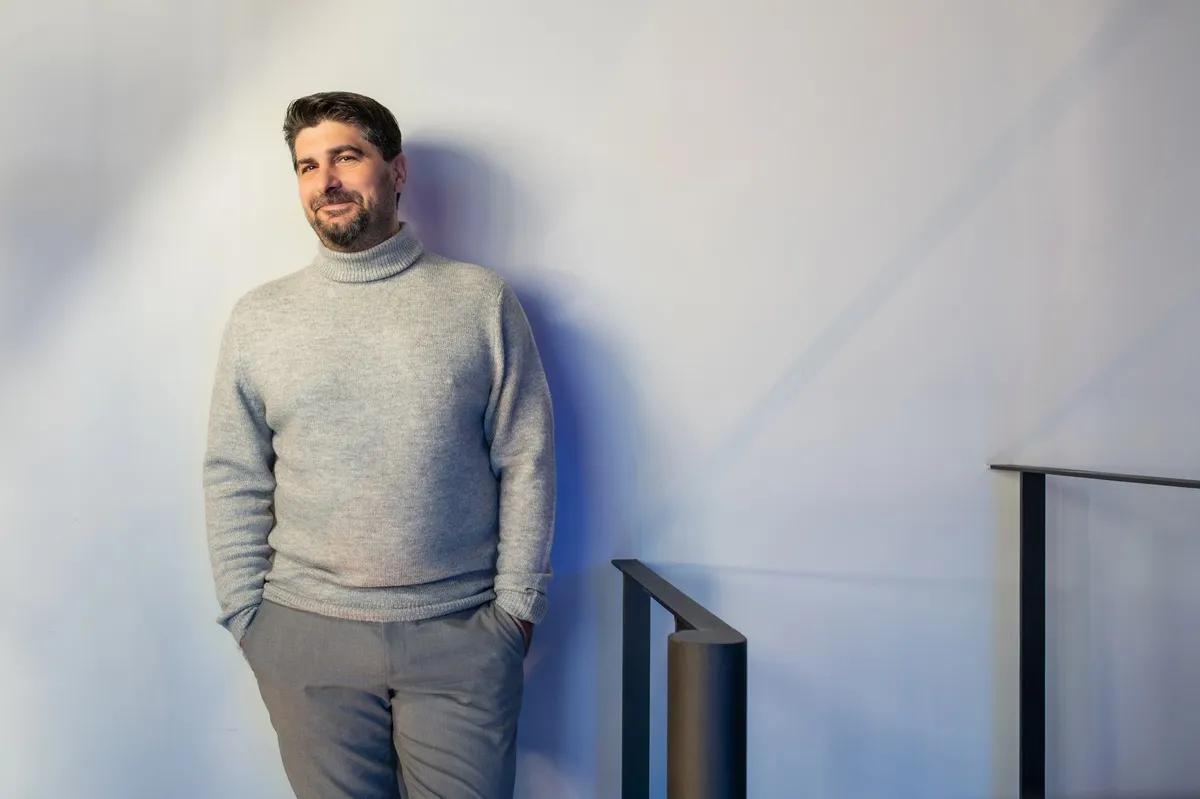
Can a childhood memory turn into a global business model? The founder of Hans & Gretel explains the strategy and vision behind an experience brand with an international footprint.
In the heart of Monastiraki, where Athens’s past and present sit side by side, a business was born in 2017 that was never meant to stay within the city’s narrow streets. Hans & Gretel began with a need for imagination and escape, and for that sweet feeling that reminds you how the world looks through a child’s eyes.
Behind the idea is Thanasis Anyfantis, founder and CEO, who grew up wanting to create worlds that travel, not across geography so much as through experience. The brand was not designed as an international concept, but almost from the start it drew attention beyond Greece’s borders, like a fairy tale that asked to be told in more languages before it was even finished.
Today, Hans & Gretel operates in eight countries, with stores in Greece, Cyprus, Egypt, Bulgaria and Turkey, as well as in Western Europe and the Middle East, and it is entering a new phase of maturity and international growth. Despite its geographic spread, it has kept its original promise: every visit is a small journey, quality is non-negotiable, and the magic is never accidental.
Hans & Gretel is a magic box, filled with the scents of the world’s favorite sweets.
From a childhood dream to a world of sweet stories
For Thanasis Anyfantis, the entrepreneurial drive was there long before the brand had its name. “Ever since I was a child, I dreamed of traveling. I remember sitting on a plane, looking at a man with a briefcase and thinking how wonderful it would be to travel with a reason, a purpose. Not just to move around, but to create.”
Working in food service from a young age proved decisive. “I was always fascinated by being around people, seeing their reactions, their smiles, their emotions. I was never interested in doing anything simple or ordinary. I wanted to create something special.”
That instinct took shape in 2013, when he started working in the Christmas theme parks that were set up in cities across Greece, drawing tens of thousands of visitors each season. It was there that he first brought Prague’s chimney cake to Athens, and the response was immediate and kept coming. People didn’t just ask what it was. They asked where they could find it again, and whether it was available year-round. Could the experience live on beyond the festive season? That was the moment the idea outgrew the product and began to look like a brand.
That is how Hans & Gretel was born: a place where sweets are a doorway to emotion and where every visit feels like a short trip back to childhood.
A tough start and a concept that began to travel on its own
The first store in Monastiraki didn’t take off right away. “Things didn’t go the way we had imagined at first,” he admits. The brand was still just one of many ventures, from seasonal projects to restaurants and event management. And yet, although the numbers weren’t adding up, something unexpected was happening.
“Almost every day, my partners would call to tell me that someone had come in asking about a franchise, or how they could open a store in their country.” With no advertising, no growth strategy and little commercial success to speak of, the question was unavoidable: why was a business that wasn’t thriving attracting so much interest?
The turning point came with an offer from a man in Boston, a market with a mature retail ecosystem and high standards. “He went straight to the point: ‘How much do you want me to put down as a deposit to open this store in America?’” That moment was a wake-up call, Anyfantis explains. “I realized that Hans wasn’t just a shop, but something alive.”
From then on, the challenge was no longer whether it could travel, but how to protect it. “We had to organize it and help it mature. We had to prepare it for the world.”
Hans & Gretel’s culture is built on its people, who see more than a store or a product. They see an experience worth sharing.
Growing globally, while staying true to its identity
The first phase of international expansion was a whirlwind. In under a year, the brand opened 11 stores in five countries, mostly through franchise partnerships, riding the enthusiasm of a concept that seemed to resonate everywhere. “In just 10 months, we opened 11 stores in 5 countries. And then Covid hit,” Anyfantis recalls. The pandemic abruptly halted that momentum, but it also acted as a strategic filter.
From then on, growth was no longer measured by speed but shaped by strategy. “For us, growth isn’t about speed. It’s about making the right choices,” he says. Every new market is now assessed against strict, specific criteria: the strength of local consumer demand, the operational support that can be secured from day one, the long-term viability of the network and the profitability of each store. Demand remains strong, with more than 350 inquiries from over 45 countries in 2025 alone, but the selection process is rigorous.
The concept is flexible, and the product mix is adapted to the quirks of each market, but there is a core that doesn’t change, wherever the brand goes. As Anyfantis puts it: “Magic can travel. But quality must always stay the same.”
The next chapter
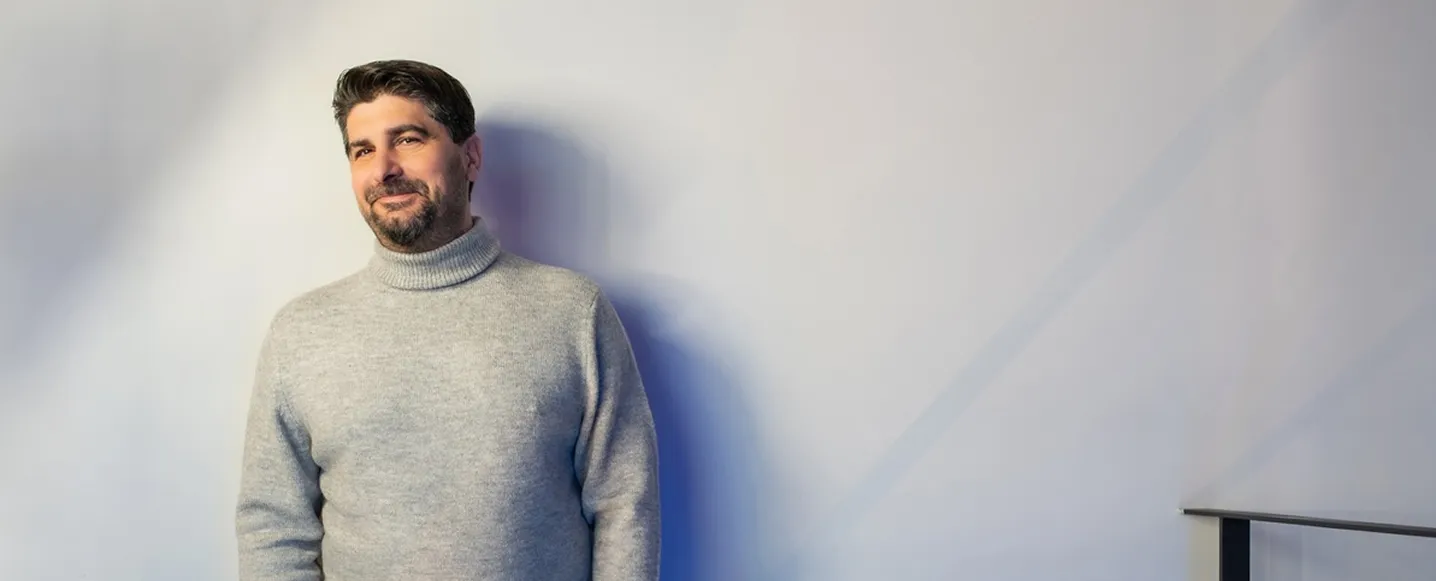
As the brand grew, the role of its founder inevitably changed. The shift didn’t happen overnight. It was the result of successive stages of growth, both professional and personal. “First of all, I learned to adapt,” he says, describing a journey in which nothing stayed the same for long. Alongside that came a deeper awareness of his responsibility toward the people who believe in the Hans & Gretel vision. “Whether it’s an experienced entrepreneur or someone with some savings who wants to turn them into a better future,” the responsibility is the same, and it now shapes how decisions are made.
That maturity meant keeping his enthusiasm in check. It meant leaving the one-man-show model behind and deliberately investing in teamwork, learning to trust people, processes and teams. “We want to build teams that speak the same language, even when they’re in different countries,” he says, describing an organization built on shared values and a shared way of thinking.
What comes next for Hans & Gretel includes new markets, among them Malta, Bahrain, the Philippines, Romania and the US, starting with Boston, as well as new formats and products that can now be supported at international scale. New flagship stores are also planned in Athens, intended to serve as global reference points for the brand.
“There will certainly be new countries that can truly embrace the brand and experience it the way it deserves. And the truth is that there are so many places in the world where Hans & Gretel could exist that it would almost be unfair to put a number on it. We’d rather travel with it and discover them along the way,” Anyfantis says.
Perhaps that is why the brand’s philosophy is summed up not as a business goal but as a simple, almost human observation. As someone with deep experience in international business once told him: “With Hans & Gretel, you can go anywhere on earth where there are people who eat sweets.”
In the end, what lasts is neither the format nor the product. It is the experience. As Anyfantis puts it: “First and foremost, we want anyone who walks into one of our stores to feel like a child… to leave with a memory they want to keep and retell.”
And so the Hans & Gretel fairy tale keeps being written, in every corner of the world with room for a little more magic.